
Roof Inspection Across the United States: Know Your Roof's Condition
Your roof works quietly every day, shielding your home from rain, wind, hail, and sun, so it rarely gets the attention it deserves until a leak shows up on a ceiling.
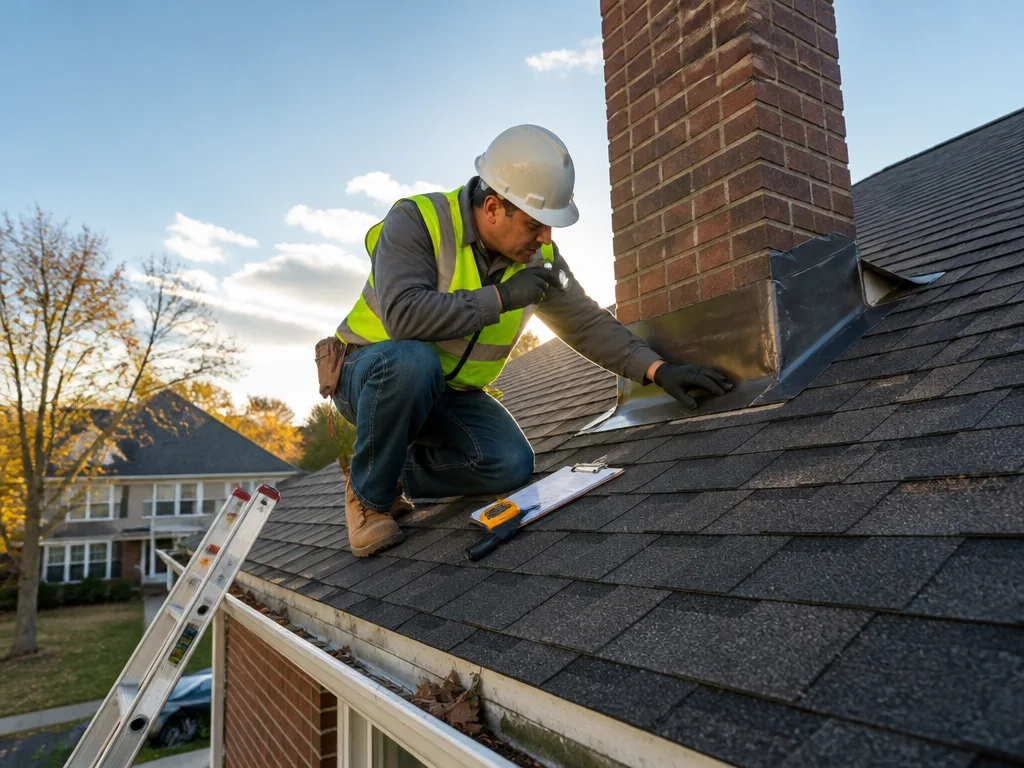
About roof inspection
A Roof Inspection from Roofing Contractors covers the parts of your roof that matter most for long-term protection. Our roofers examine the shingle or panel surface for cracks, curling, granule loss, and missing pieces. They inspect flashing at every penetration and joint, since those seams are a common source of leaks. They review gutters, downspouts, and drip edges to confirm water drains away from the structure, and they look at ventilation and visible attic signs such as staining or damp insulation when access allows. The inspection suits homeowners preparing to sell, buying an older property, or simply wanting a baseline after a big storm. It also helps property managers and small business owners plan maintenance budgets across several buildings. You leave with a written summary that uses everyday language, so you know exactly what was found, what it means, and what your options are without any pressure to commit to repairs on the spot.
Signs you need roof inspection
- Water stains or discoloration appear on ceilings or upper walls after rain
- Shingles look curled, cracked, buckled, or are missing in patches
- Granules collect in your gutters or around downspout outlets
- Daylight is visible through the attic boards or you notice damp insulation
- Flashing around chimneys, vents, or skylights looks lifted or rusted
- Your roof is more than fifteen years old and has never been professionally reviewed
Why choose Roofing Contractors?
- Our roofers focus on plain-spoken findings you can understand without technical jargon
- Local crews serve customers across the United States with a consistent inspection standard
- Our team walks the roof and examines flashing, gutters, and edges, not just the surface
- You receive a written report that separates urgent items from those that can wait
- Fast scheduling and clear communication from first call through final summary
- Our roofers explain options honestly and never pressure you into work you do not need
From phone call to finished job
Four straightforward steps. No upsells.
You tell us about the leak, the storm damage, or the age of the roof, and we ask a few questions so we know what kind of visit to plan.
On arrival, the roofer walks the roof, checks the shingles, flashing, vents, and decking, and explains what they find in plain language before any work begins.
Our crew handles tear-offs, shingle or metal installs, and repairs with clean job sites, careful nailing, and attention to how water sheds off every edge.
After the job, you'll receive a written summary of the work completed, and you can call the team anytime to talk through anything about your roof.
What you get
Catch small problems like loose flashing before they become costly leaks
Get a clear written report you can read and share with family or lenders
Plan repairs and replacement budgets on your own timeline instead of in an emergency
Document roof condition for insurance records after a storm or hail event
Extend the working life of your existing roofing materials with timely upkeep
Gain confidence when buying, selling, or renting out a property
Talk to a local pro now
(973) 384-0629Questions about roof inspection
Don't see your question? Call (973) 384-0629 and we'll answer it.
How long does a roof inspection usually take?
Most residential roof inspections take between one and two hours, depending on the size of the roof, its pitch, and how many flashing points and penetrations need a close look. Larger or multi-story buildings may take longer. Our roofers will give you an estimated time when you book, so you can plan around your day.
Will the inspection damage my shingles or roof surface?
Our roofers are trained to move carefully across the roof, stay on stable areas, and avoid stepping on fragile sections. Inspections are a non-destructive review of the surface, flashing, and gutters, so there is no tearing off of materials. If we spot a weak area, we will mark it and avoid unnecessary contact.
Do I need to be home during the roof inspection?
You do not have to be home for the exterior inspection, but it helps to be available at the start and end so you can ask questions and gain access if needed. If we check the attic, we may need someone to open the access point. We will confirm the details when you schedule the visit.
What is included in the written inspection report?
The report summarizes the condition of the roof covering, flashing, gutters, downspouts, and visible attic signs when accessible. It separates items needing attention now from those to monitor later, and it includes plain-language notes and photos where helpful. You can use it for planning, insurance documentation, or a second opinion.
How often should a roof be inspected?
Many homeowners schedule a roof inspection once a year, typically in spring or fall, and after any significant storm with high winds or hail. Older roofs, or those in areas with heavy weather, benefit from more frequent checks. Our roofers can recommend a schedule that fits your roof's age, materials, and local conditions.
Need roof inspection today?
Real local roofers. Careful work. One call away.